



 EN
EN
 AR
AR
 BG
BG
 HR
HR
 NL
NL
 FI
FI
 FR
FR
 DE
DE
 EL
EL
 HI
HI
 IT
IT
 JA
JA
 KO
KO
 NO
NO
 PL
PL
 PT
PT
 RO
RO
 RU
RU
 ES
ES
 SV
SV
 TL
TL
 ID
ID
 SL
SL
 UK
UK
 VI
VI
 GL
GL
 HU
HU
 TH
TH
 TR
TR
 MS
MS
 GA
GA
 CY
CY
 EO
EO
 LA
LA
 MN
MN
 NE
NE
 SO
SO
 UZ
UZ
 HAW
HAW
 LB
LB
Introduction
Not all white light looks the same. Some light sources produce a soft warm glow, while others appear crisp, bright, or slightly blue. This difference is known as color temperature, which is measured in Kelvins (K).
Choosing the right color temperature is an important part of residential lighting design because it directly affects the atmosphere, comfort, and functionality of a space. A beautiful chandelier or pendant light can still feel uncomfortable if the lighting color is not suitable for the room.
Understanding how different color temperatures work can help you create a home that feels both visually balanced and comfortable for daily living.
1. Warm White Lighting (2700K–3000K) for Relaxing Spaces
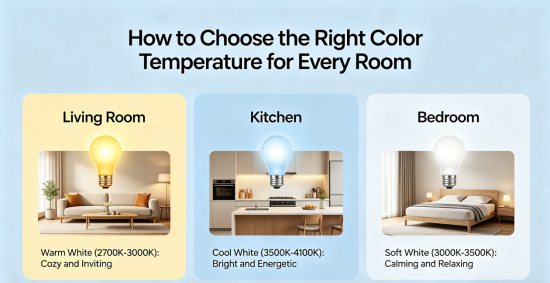
Warm white lighting produces a soft golden glow similar to candlelight or traditional incandescent bulbs. It creates a cozy, welcoming, and relaxing atmosphere that is ideal for residential interiors.
Warm lighting is most commonly recommended for:
* Living rooms
* Bedrooms
* Dining rooms
* Lounge areas
* Decorative lighting applications
Because warm light feels softer and less harsh on the eyes, it helps create a more comfortable environment during the evening hours. It also enhances skin tones and brings warmth to materials such as wood, fabrics, marble, and brass finishes.
This is one reason why warm white lighting remains the most popular choice for luxury homes, villas, hotels, and hospitality interiors.
For many homeowners, 3000K is considered one of the best all-around color temperatures because it balances warmth with sufficient brightness for everyday use.
2. Cool White Lighting (3500K–4500K) for Functional and Task-Oriented Areas
Cool white lighting appears cleaner, brighter, and closer to natural daylight. Compared to warm lighting, it creates a more energetic and focused atmosphere, making it suitable for spaces where visibility and concentration are important.
Cool white lighting works especially well in:
* Kitchens
* Bathrooms
* Home offices
* Laundry rooms
* Garages
* Workspaces
This color temperature range improves visibility and helps people see details more clearly during tasks such as cooking, reading, makeup application, cleaning, or office work.
Cool lighting also provides more accurate color rendering for practical tasks, making it useful in spaces where visual clarity matters more than relaxation.
For modern interiors, many homeowners choose lighting around 4000K because it offers a clean and contemporary appearance without feeling overly cold.
3. Daylight Lighting (5000K–6500K) for Specialized Applications
Daylight lighting produces a very bright white or slightly bluish tone that closely resembles natural midday sunlight.
While this type of lighting provides extremely high visibility, it can feel too harsh or clinical for most residential living spaces if overused.
However, daylight color temperatures can still be useful in certain situations, including:
* Workshops
* Craft rooms
* Detailed reading areas
* Basements
* Utility spaces
* Windowless rooms
Because daylight lighting increases alertness and visual sharpness, it is often preferred for highly detailed tasks or environments that require maximum brightness.
In residential design, daylight lighting is typically used selectively rather than throughout the entire home to avoid creating an overly cold or uncomfortable atmosphere.
Final Thoughts
Choosing the correct color temperature can dramatically improve both the appearance and functionality of your home lighting.
* Warm white lighting (2700K–3000K) creates a cozy and relaxing atmosphere
* Cool white lighting (3500K–4500K) supports focus and everyday tasks
* Daylight lighting (5000K–6500K) works best for detailed or specialized applications
By matching the Kelvin temperature to the purpose of each room, you can create spaces that feel more comfortable, practical, and visually balanced.
If you are unsure which option to choose, 3000K warm white lighting is often considered the safest and most versatile choice for most residential interiors.