


 EN
 AR
 BG
 HR
 NL
 FI
 FR
 DE
 EL
 HI
 IT
 JA
 KO
 NO
 PL
 PT
 RO
 RU
 ES
 SV
 TL
 ID
 SL
 UK
 VI
 GL
 HU
 TH
 TR
 MS
 GA
 CY
 EO
 LA
 MN
 NE
 SO
 UZ
 HAW
 LB
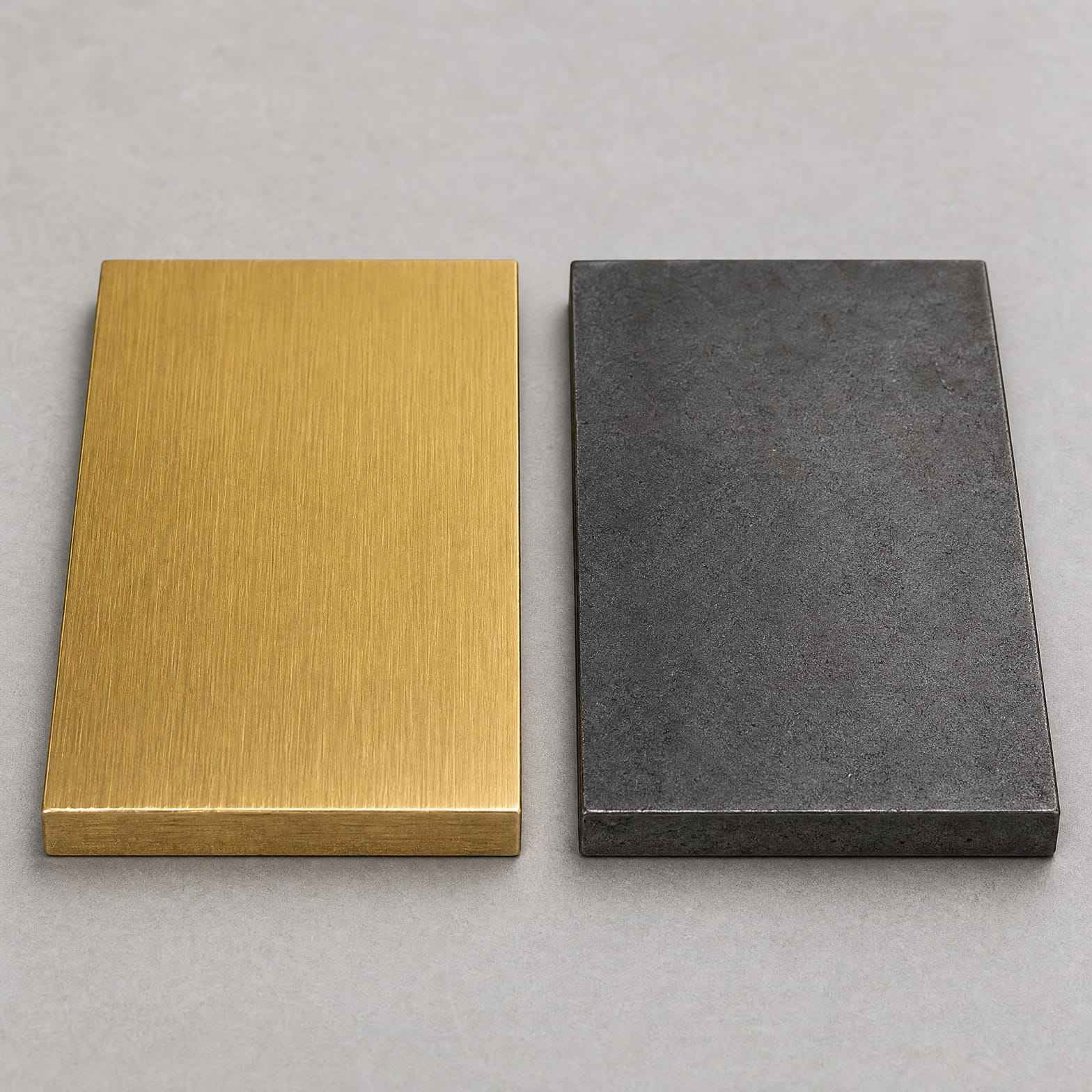
Choosing between brass and iron chandeliers is not simply a question of color or price. For a hotel, villa, restaurant, or other architectural project, the right material affects the visual language of the space, fixture weight, installation requirements, finish stability, maintenance, and long-term ownership cost.
This guide explains the practical differences so buyers, designers, and contractors can make a decision based on the project environment rather than appearance alone.
1. Material and visual character
Brass has a warm metallic appearance and is often selected for classic, transitional, luxury, and contemporary interiors. Depending on the surface treatment, it can look polished, brushed, antique, champagne, or darkened. Its natural visual depth works well in hotel lobbies, dining rooms, villa stair halls, and feature spaces where the chandelier is part of the interior statement.
Iron usually provides a stronger architectural or decorative framework. It is commonly used for modern farmhouse, industrial, rustic, Mediterranean, and custom sculptural designs. Painted, powder-coated, or hand-finished iron can be matched to a project color palette with considerable flexibility.
The important point is that the final appearance depends on both the base material and the finish. A brass chandelier with a dark finish may look very different from a bright brass fixture, while painted iron can imitate many visual directions without becoming a brass product.
2. Durability and finish selection
Both materials can be suitable for project use when the structure, welding, surface preparation, and finish process are properly controlled. Buyers should not judge durability only from a material name.
For brass, ask how the surface will be protected and how the finish is expected to age. For iron, ask about rust prevention, weld quality, primer, topcoat, and powder-coating specifications. Coastal villas, humid climates, outdoor-adjacent spaces, and high-maintenance-risk projects require greater attention to corrosion protection.
Always request a finish sample or approved physical sample before mass production. Digital images may not show the actual tone, gloss level, texture, or variation of a hand-applied finish.
3. Weight and installation
A chandelier's total weight includes the frame, arms, decorative parts, glass, drivers, canopies, and suspension hardware. Material selection is only one part of the calculation, but it can influence the final load significantly.
Before production, confirm the fixture weight, hanging method, ceiling structure, canopy dimensions, suspension length, and installation access. For large hotel chandeliers or villa stairwell installations, the engineering team may need a load point, reinforcement detail, access plan, or sectional assembly method.
A visually light design can still be heavy after adding glass and metal components. Never rely on visual estimation when coordinating with the contractor.
4. Customization and project consistency
Iron is often practical for complex frames, large structures, unusual silhouettes, and painted color matching. Brass is often preferred when the project requires a refined metallic finish or repeated decorative details.
For multi-floor hotel projects, consistency matters more than the first sample alone. Confirm the approved finish code, color tolerance, component dimensions, glass type, lamp-holder specification, and inspection standard. If several suppliers are involved, define these details in writing so the fixtures remain visually consistent across guestrooms, corridors, public areas, and villas.
5. Maintenance and lifecycle considerations
Maintenance depends on finish, environment, accessibility, and cleaning method. Metal surfaces should be cleaned according to the supplier's instructions and should not be exposed to aggressive chemicals unless compatibility has been confirmed.
For high-ceiling installations, cleaning and lamp replacement can require lifting equipment or specialist access. Buyers should consider the cost and frequency of future maintenance during design review, not after installation.
6. Which one should you choose?
Choose brass when the project prioritizes a warm metallic identity, refined detailing, or a premium decorative expression. Choose iron when the project needs a strong custom frame, flexible painted finishes, or a more architectural and textural appearance.
The best decision is often a hybrid approach: use the material and finish that support the design concept, then confirm weight, corrosion protection, electrical compliance, installation access, and maintenance requirements before approval.
Buyer checklist
Before placing an order, confirm:
1.Base material and thickness
2.Approved finish and physical sample
3.Total fixture weight
4.Ceiling and suspension requirements
5.Corrosion-protection method
G.lass and electrical component specifications
P7.ackaging and spare-parts plan
I8.nspection standard and acceptable finish variation
I9.nstallation drawings and maintenance access
Conclusion
There is no universal winner between brass and iron chandeliers. The correct choice depends on the interior concept, environmental conditions, structural limitations, maintenance plan, and project budget. A professional lighting factory should help you compare these factors before production, not simply quote two material names.
Need a custom chandelier for a hotel or villa project? Share your drawings, dimensions, finish reference, and installation conditions for a practical material recommendation and project quotation.